Monolithic refractories are refractory linings that are installed in place rather than formed into pre-shaped bricks or blocks. They include castables, plastics, ramming mixes, gunnite (shotcrete), and pumpable refractories, and are widely used because of their versatility, installation efficiency, and ability to form seamless linings. Monolithic systems can be engineered for a broad range of service conditions, from lightweight insulating linings to dense, abrasion- and impact-resistant formulations used in severe thermal and mechanical environments.
Castable wire anchors play a critical role in reinforcing these monolithic refractory linings. Once welded to the steel shell, wire anchors become embedded within the refractory mass, providing structural support that helps carry the weight of the lining, control shrinkage cracking, and manage stresses caused by thermal expansion, contraction, vibration, and process-induced movement. Properly designed anchors support the refractory while allowing it to expand and contract independently of the steel shell, which is essential for long-term lining performance.
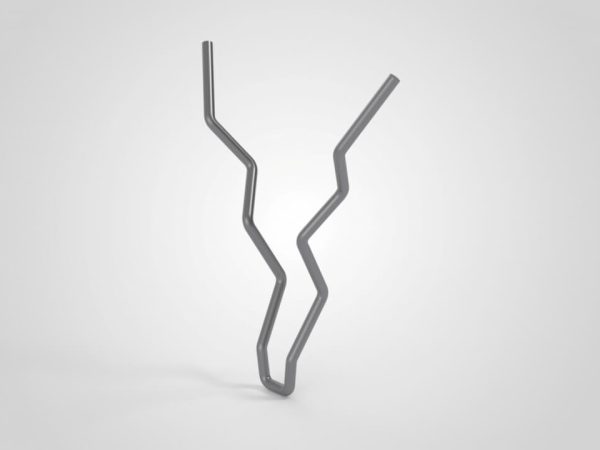
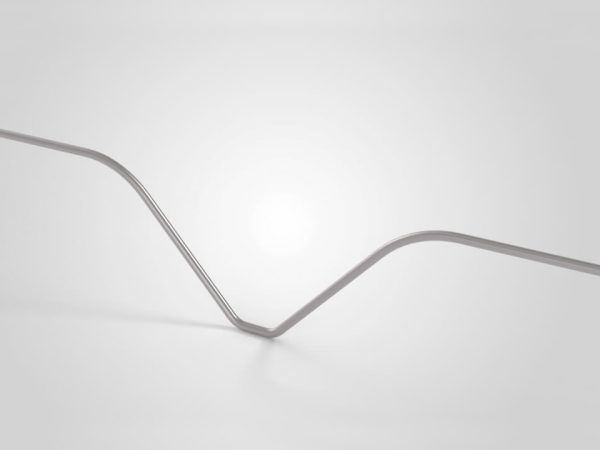
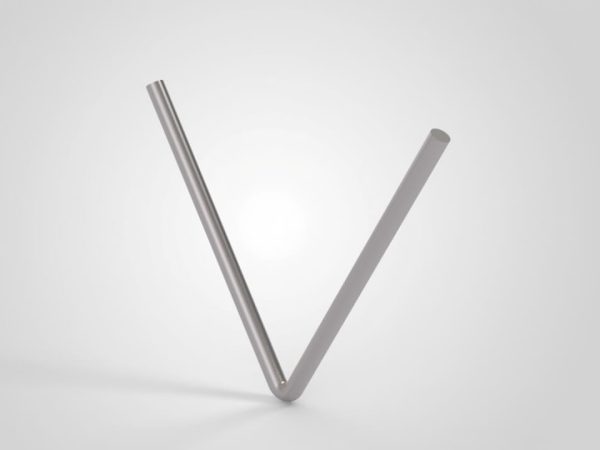
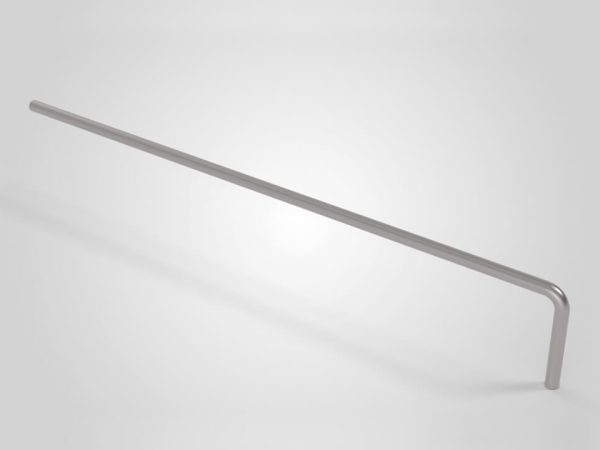
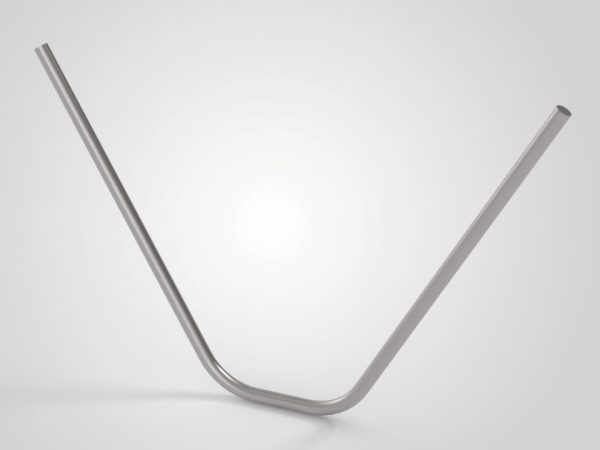
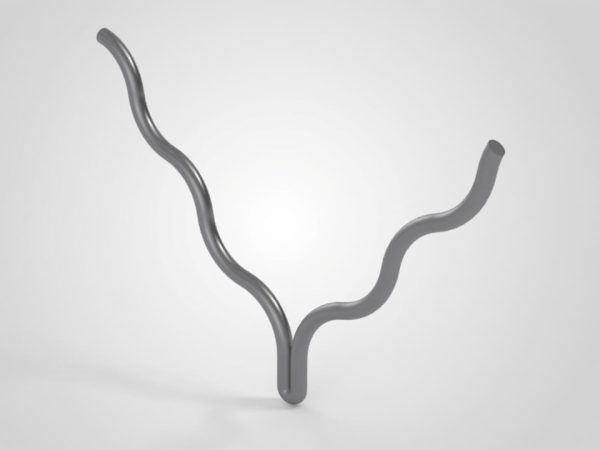
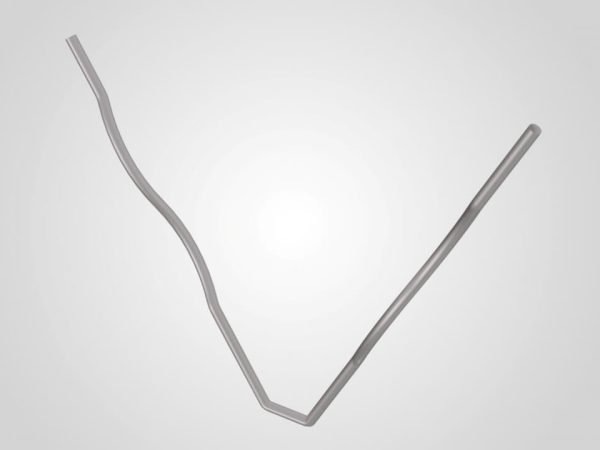
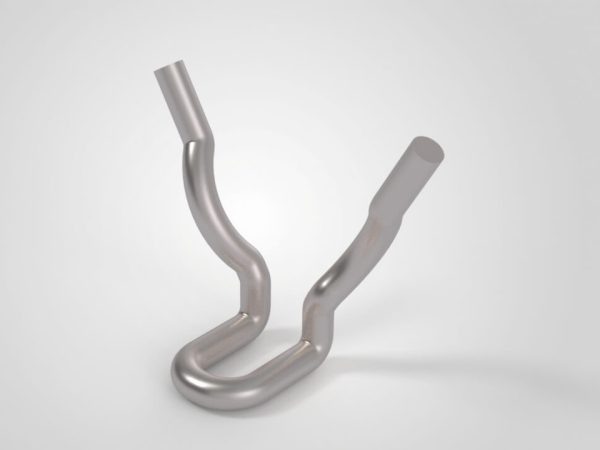
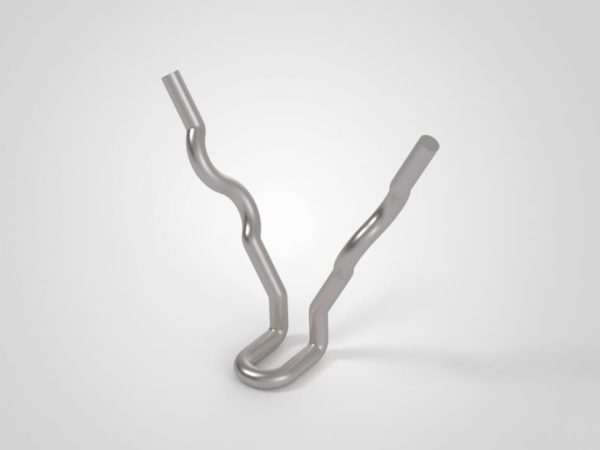
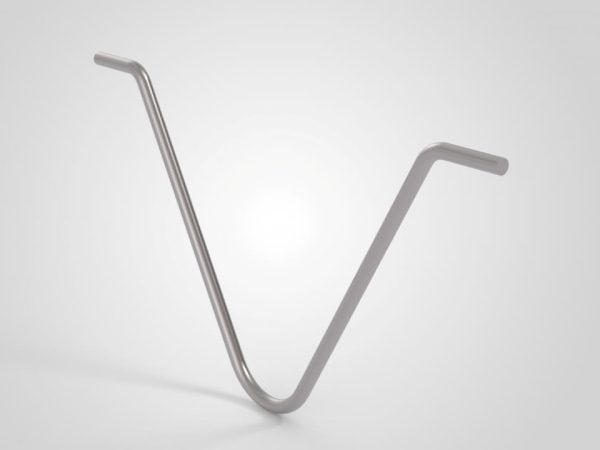
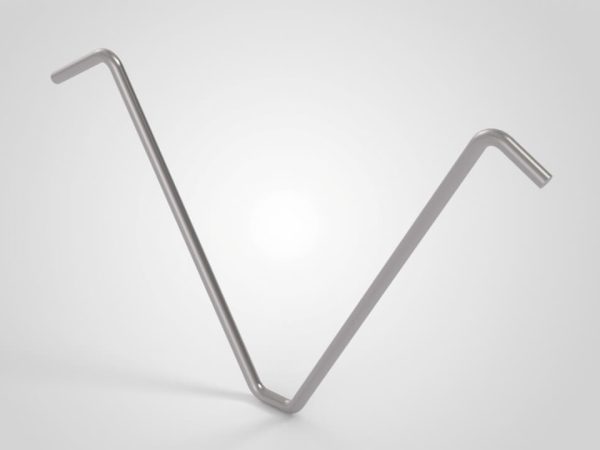
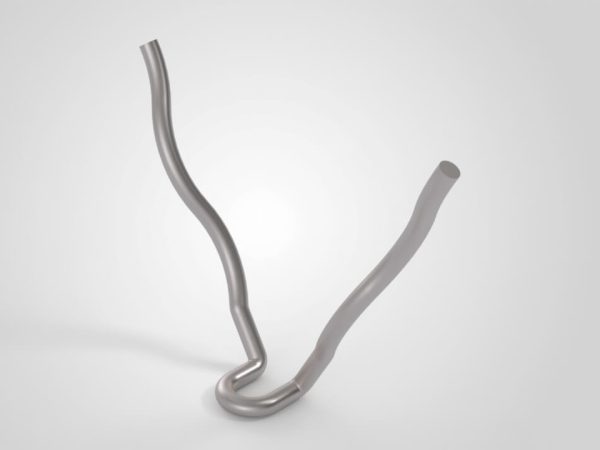
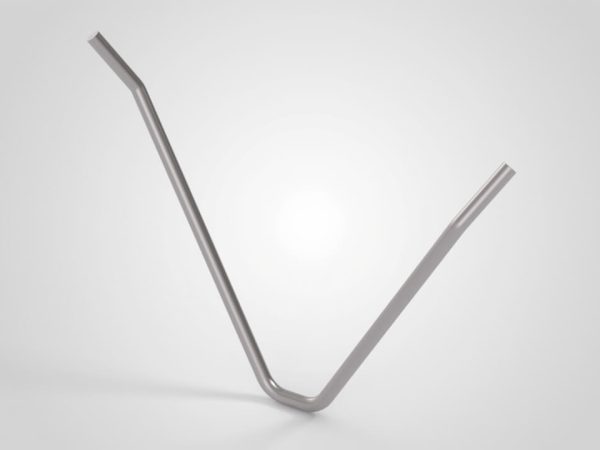
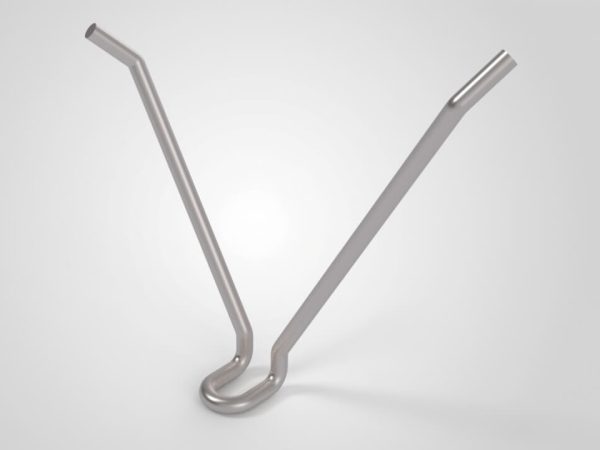
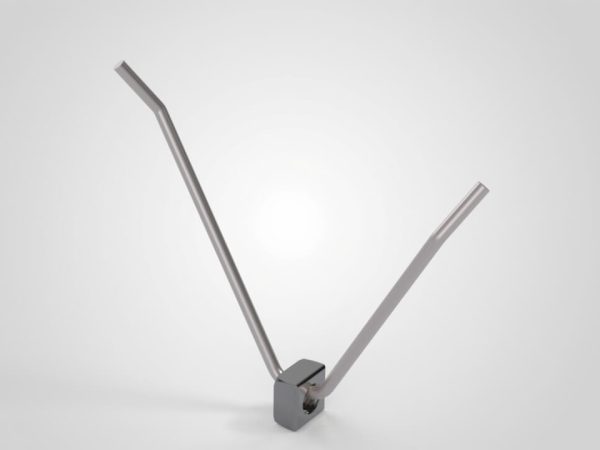
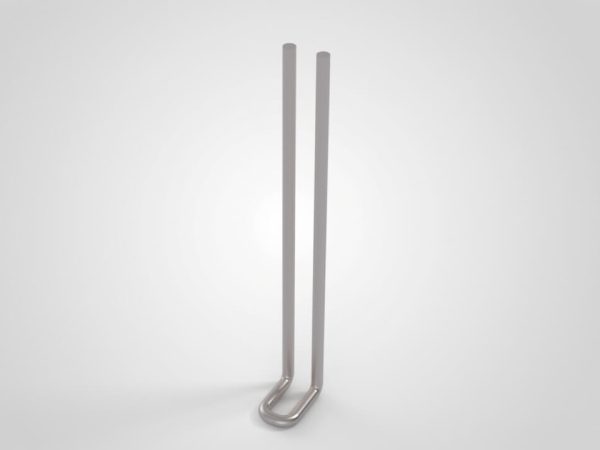
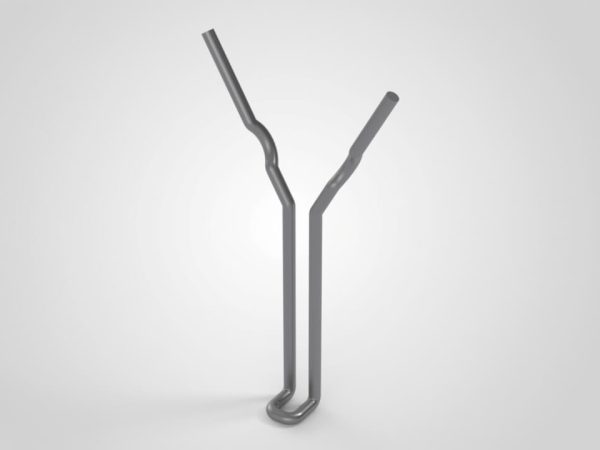
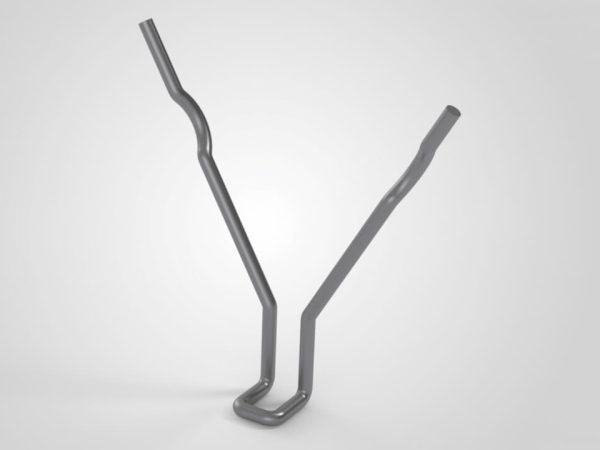
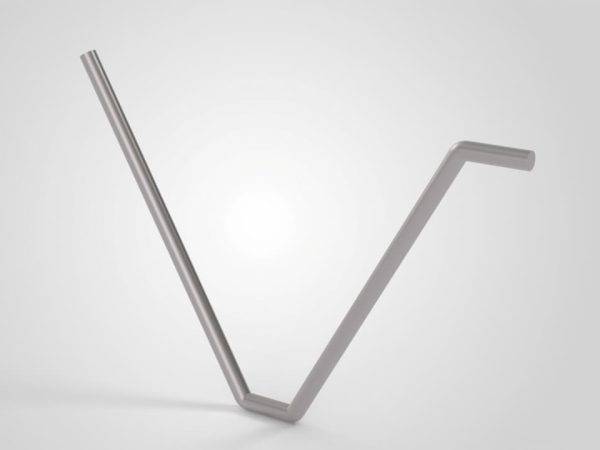
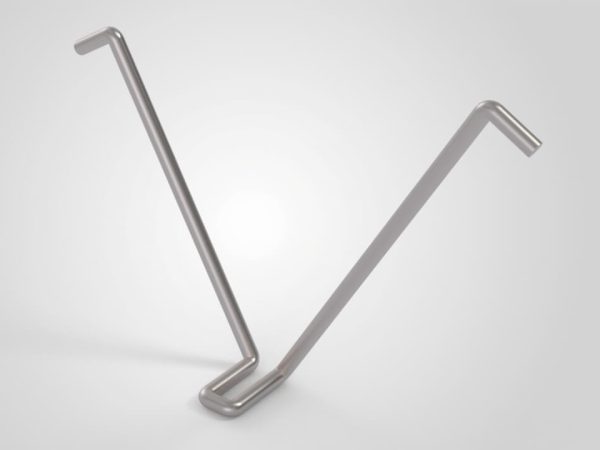
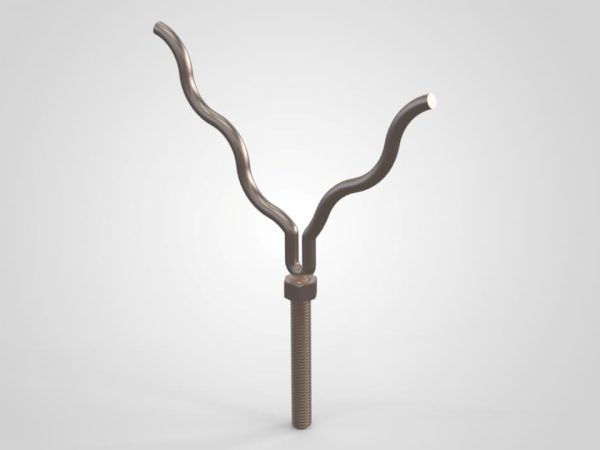
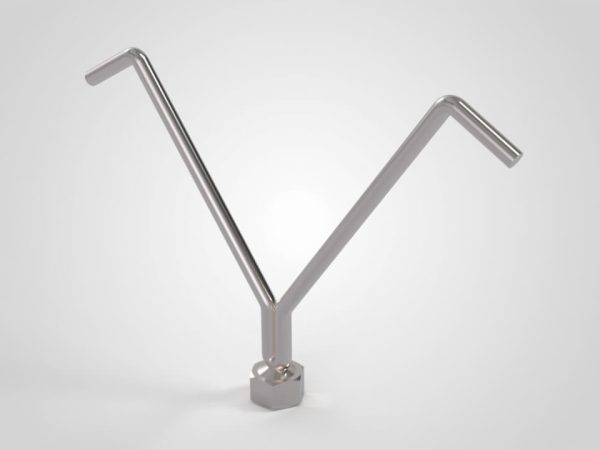
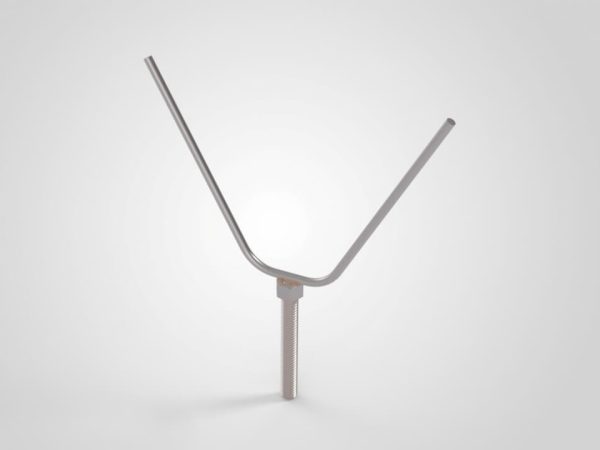
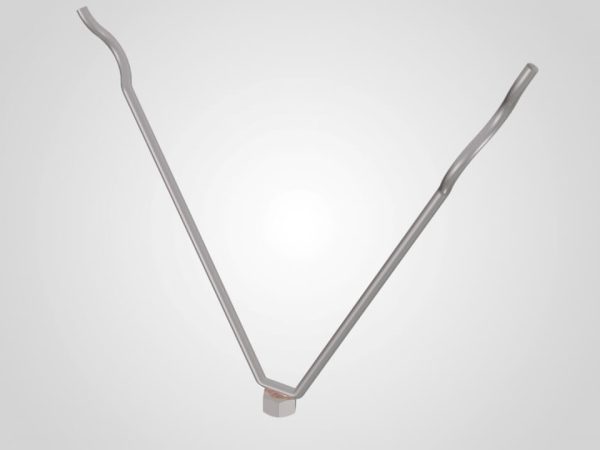
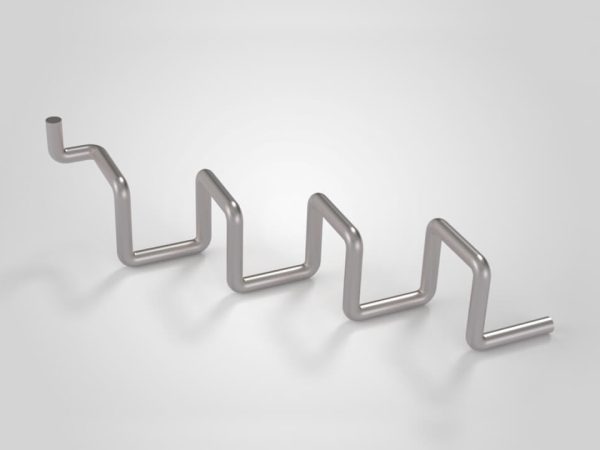
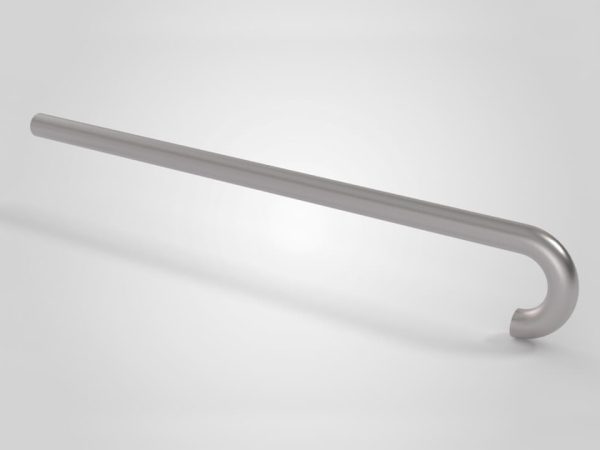
Products range from basic V-anchors and footed wavy V-anchors to specialty designs engineered for specific lining thicknesses, temperatures, and service conditions. The Malco AR740 is the most commonly used castable wire anchor in the industry and serves as a general-purpose solution for a wide range of insulating and dense castable applications.
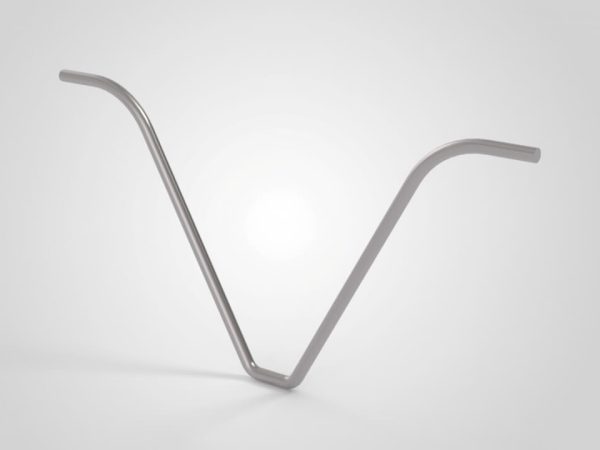
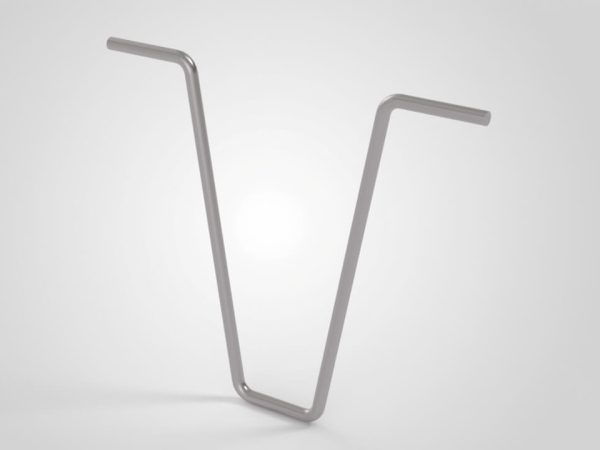
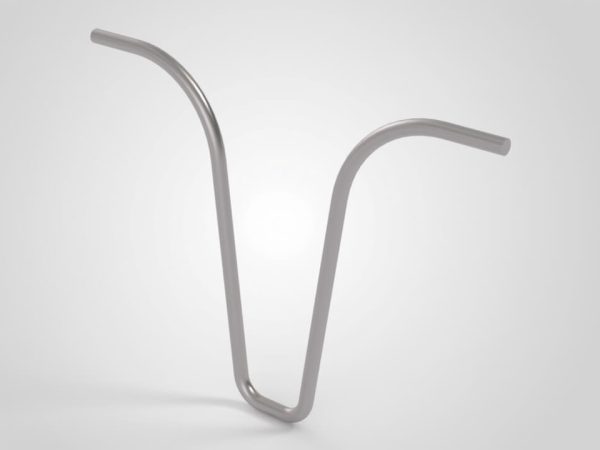
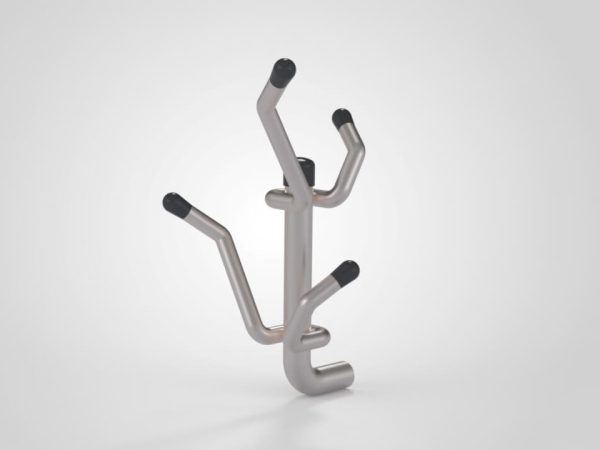
The industry term “steerhorn” wire anchor refers to the Malco AR731, which features a wide, flared geometry resembling a steer’s horns. This anchor style is specifically suited for thinner monolithic linings, where the broad spread provides effective support across the lining thickness without requiring deeper embedment. Steerhorn anchors are commonly used where lining thickness is limited but uniform support and stability are still required.
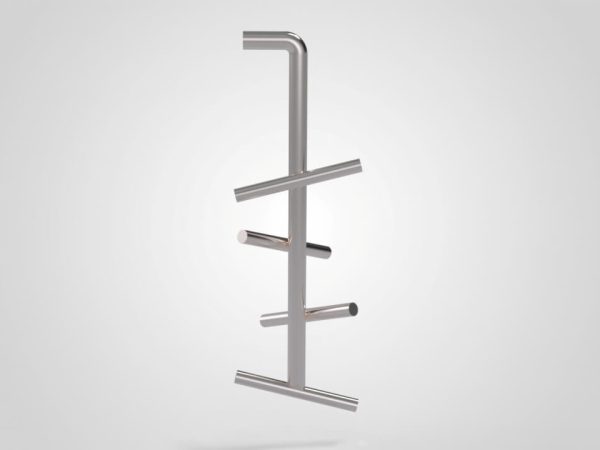
Dual-component anchoring systems are also available for applications that require additional reinforcement or a combination of anchoring approaches.
Typical uses include:
- Dense and insulating castable refractories
- Plastic and gunned linings
- Abrasion- and impact-resistant linings
- High-temperature monolithic applications
Product Inquiry Form
Please fill out this form and one of our sales professionals will contact you.