Refractory brick linings are used in high-temperature equipment where structural integrity, thermal stability, and resistance to mechanical abuse are critical. Fired refractory bricks provide excellent resistance to heat, chemical attack, abrasion, and impact, making them well suited for furnaces, kilns, heaters, incinerators, and other severe-service applications. Brick linings are typically installed as stacked, keyed, or suspended systems that rely on compressive loading and mechanical anchorage to maintain stability through thermal cycling and long-term operation.
Brick anchors—also commonly referred to as brick retainers, brick clips, brick supports, or brick anchoring systems—are used to mechanically secure refractory brick linings to the steel shell or backup structure while allowing for controlled thermal movement. These anchoring systems prevent brick displacement, separation, or collapse, particularly in vertical walls, suspended sections, and areas subject to vibration or differential expansion. Proper brick anchorage is essential to maintaining lining geometry, transferring loads safely, and extending refractory service life.
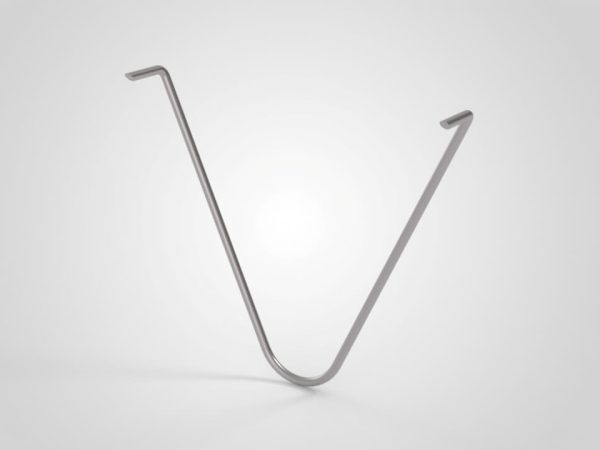
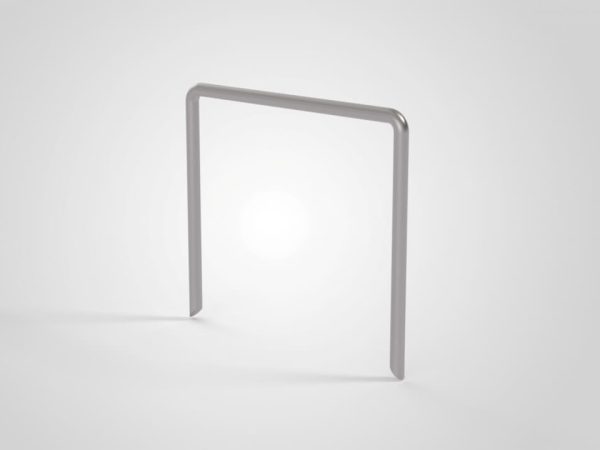
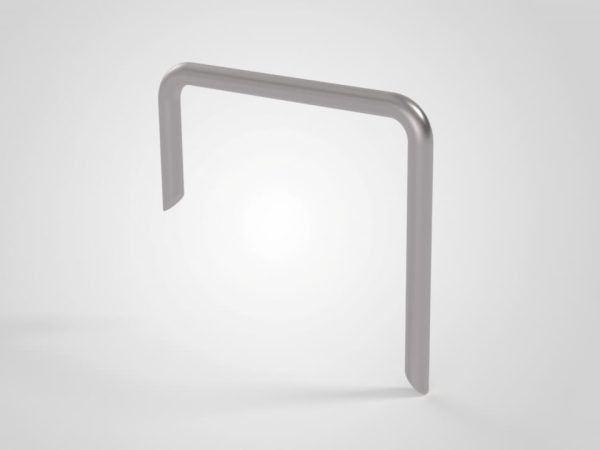
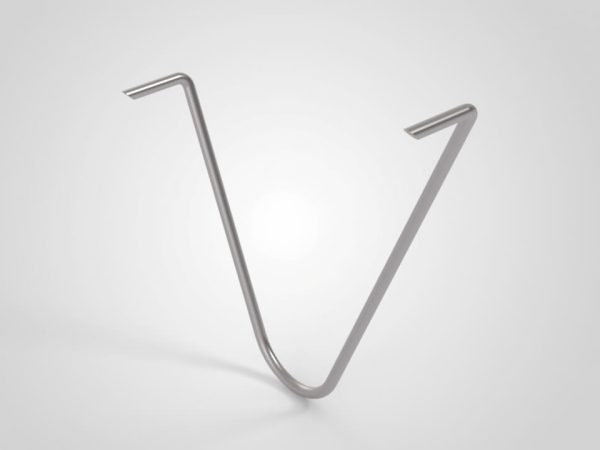
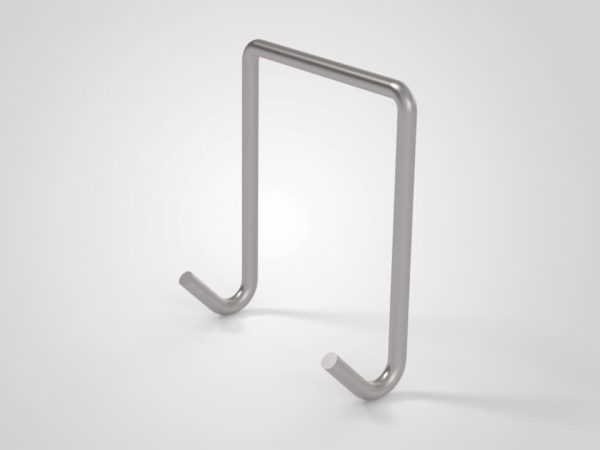
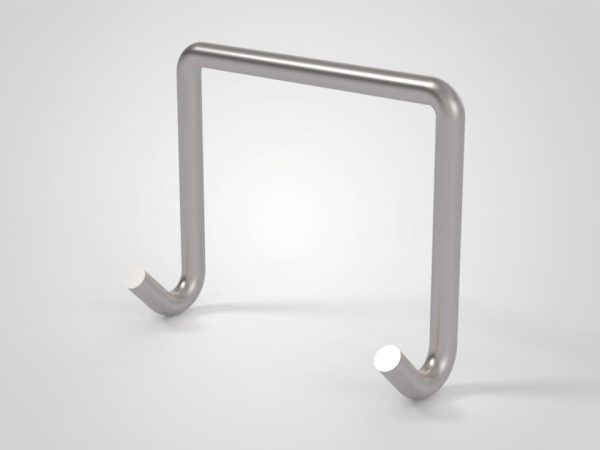
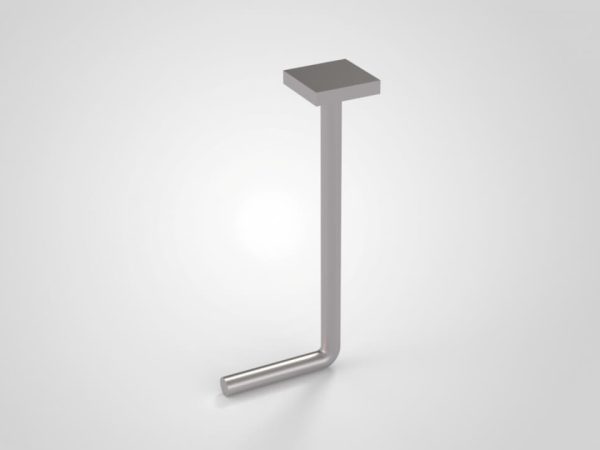
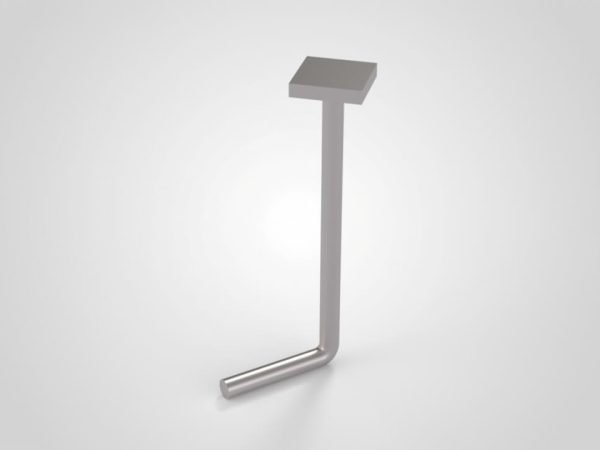
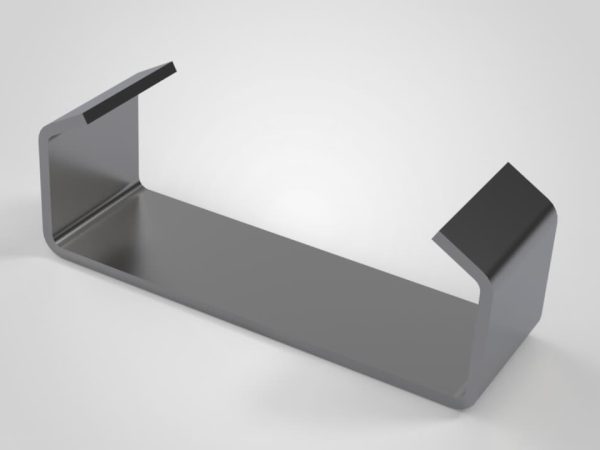
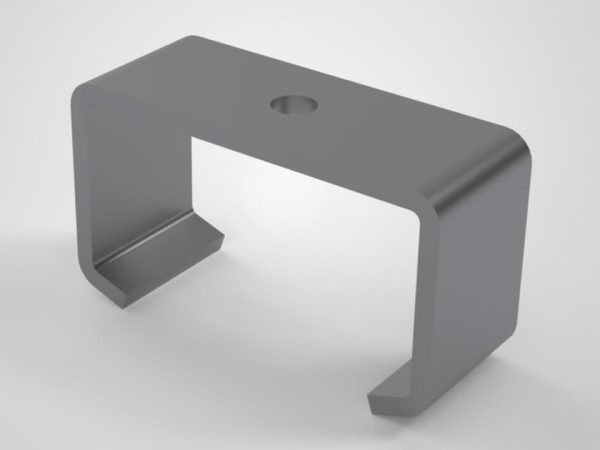
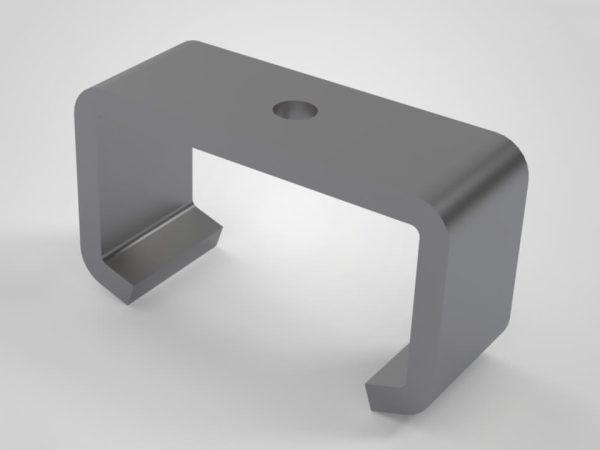
Common brick anchoring products include C-clips (also called brick clips or brick retainers), double C-clips, spring-loaded C-clips, tiebacks, and ice tongs. The most commonly used brick anchors are CC-style C-clips, which are designed to engage the brick and tie it back to an anchor point or support member. Standard CC-style C-clips are available in 0.5, 1.0, and 1.5 configurations, where the numerical designation refers to the gap between the refractory brick and the C-clip. This gap is critical for accommodating thermal expansion while maintaining positive mechanical retention of the brick lining.
Spring-loaded C-clips are used where additional flexibility is required to accommodate thermal growth and movement, while double C-clips provide increased stability in higher-load or more demanding applications. Tiebacks are used to transfer brick loads deeper into the anchoring system or shell structure, and ice tongs are commonly used to grip and retain brick courses in suspended or overhead installations. Together, these components form robust refractory brick anchoring and retention systems capable of performing reliably in some of the most demanding industrial environments.
Please fill out this form and one of our sales professionals will contact you.
Designed and developed by