Understanding the Purpose of Refractory Anchors
In high-temperature environments, failure isn’t an option, and neither is delay. That’s why refractory anchors are critical. These small components protect equipment, maintain system integrity, and keep industrial operations running under extreme heat and stress.
Whether you’re managing a cement kiln, upgrading a refinery furnace, or tackling a power plant turnaround, you need anchors built for performance and delivered without delay.
Malco is your responsive partner. We manufacture refractory anchors in-house with the speed, precision, and inventory depth required to meet urgent industrial needs.
What Are Refractory Anchors Used For?
Refractory anchors are metallic fasteners that hold insulation or refractory linings in place inside high-heat equipment. You’ll find them welded, stud-welded, or mechanically attached inside:
- Furnaces
- Boilers
- Kilns
- Reformers
- Stacks
- Thermal oxidizers
Anchors prevent linings from cracking, shifting, or falling out during extreme temperature swings. Without them, exposed metal surfaces become vulnerable to thermal shock, corrosion, and failure, putting uptime, safety, and capital equipment at risk.
5 Ways Refractory Anchors Protect Your System
1. They secure insulation under extreme heat.
Refractory anchors prevent linings from detaching when exposed to temperatures above 2,000°F. They provide mechanical grip for ceramic fiber, castables, or bricks.
2. They manage thermal expansion and contraction.
As heat levels rise or fall, both shells and linings expand and contract. Anchors are manufactured to allow controlled movement, preventing stress cracking.
3. They support structural integrity.
Anchors carry the weight of vertical and overhead linings. They ensure sections don’t sag, collapse, or pull away from the wall under vibration or load.
4. They distribute stress to prevent failure.
Strategically spaced anchors reduce stress concentrations caused by thermal cycling or rapid temperature change, extending the life of refractory systems.
5. They simplify maintenance and replacement.
Properly installed anchor systems speed up refractory removal and reinstallation, shortening turnarounds and reducing downtime.
Choosing the Right Anchor for the Job
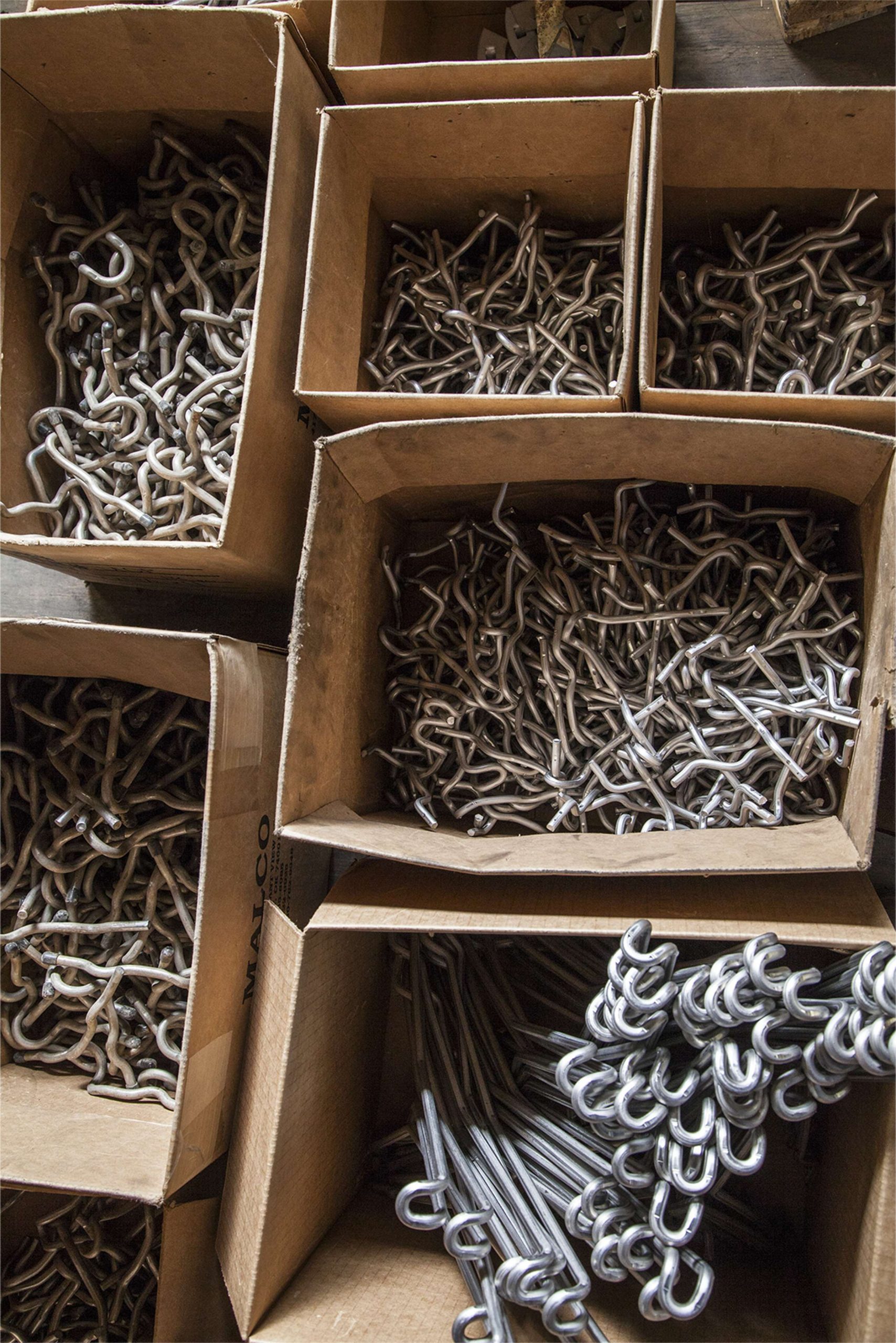
There’s no one-size-fits-all anchor. The right solution depends on temperature, refractory type, application, and mounting method. Key anchor types include:
Brick Anchors
Brick anchors secure refractory linings in high-temperature equipment. These clips maintain stability while accommodating thermal expansion.
Castable Wire Anchors
Castable wire anchors reinforce monolithic refractory linings, providing structural support and managing thermal stress.
Ceramic Fiber Anchors & Threaded Products
Anchoring hardware like Insul-Twist and threaded studs secure ceramic fiber insulation to steel shells, ensuring stability in high-temperature equipment.
Stud Weldable Products
Stud welding uses an electric arc to fuse anchors to steel without drilling. This fast process reduces installation time while ensuring consistent, high-quality results.
Wear-Resistant Products
Wear-resistant anchors like hexmesh reinforce refractory linings against severe abrasion and erosion. They are essential in high-stress petrochemical units like cat crackers to extend lining life.
Why Malco Matters
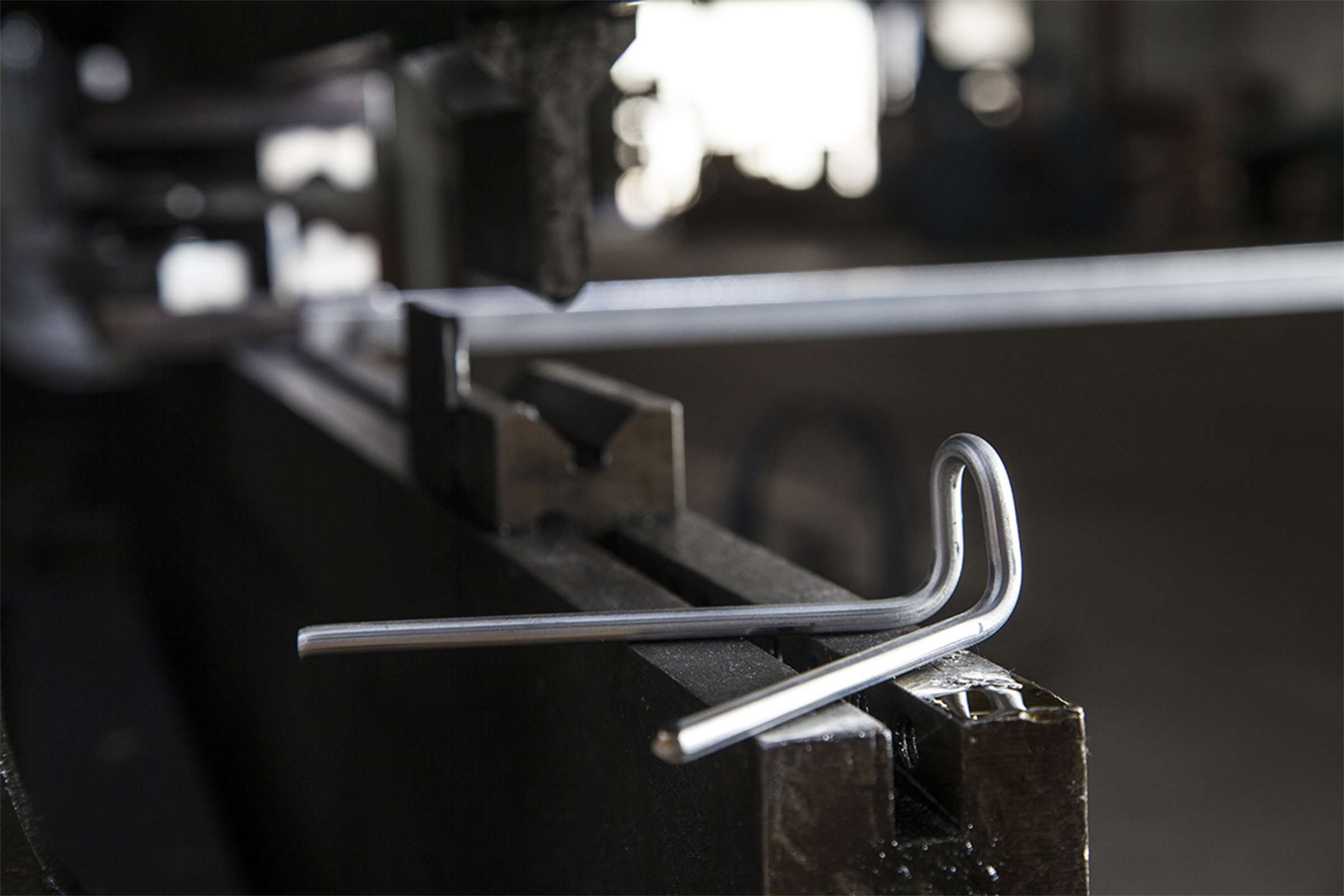
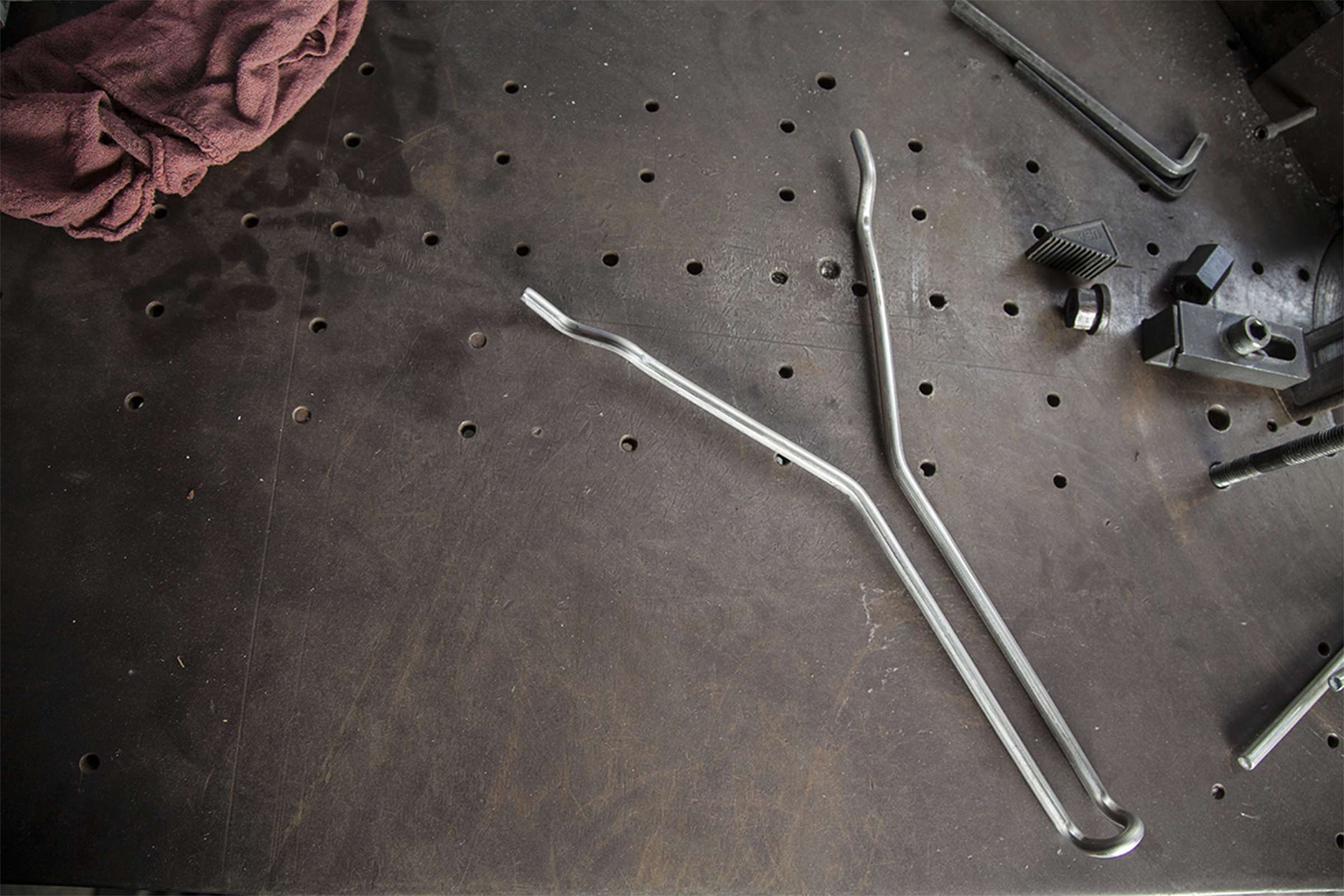
We stock one of the deepest alloy inventories in the U.S. and fabricate all anchors in-house. That means custom forming, rapid turnaround, and urgent delivery, all from one shop.
Where Fabrication Meets Refractory Anchoring
Malco doesn’t just supply anchors. We’re a single-source fabrication partner for high-temperature industrial builds. Our refractory hardware is manufactured, coated, and assembled in-house, ready for deployment when urgency strikes.
Our in-house fabrication advantage includes:
- Plate rolling, cutting, forming, and welding
- Sandblasting, coating, and industrial-grade painting
- Precision assembly and integrated wiring
- Build capacity for diameters up to 18 feet and heights up to 35 feet
- Full insulation and refractory lining capabilities
We serve EPCs, OEMs, and refractory contractors across power, petrochem, cement, renewables, pulp & paper, and industrial processing.
Need an Anchor Fast? Call the Team That Responds.
Looking for a refractory anchor solution built to spec and delivered without delay? Malco is Responsive by Design. Our team is ready to solve urgent challenges and support planned upgrades with the speed and precision your project demands. Call us today at (800) 222-0925 to connect with an expert.